

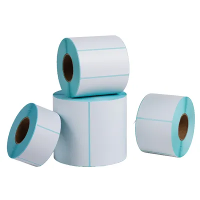
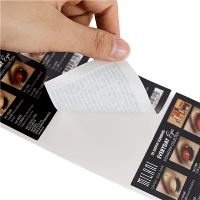
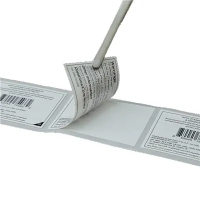
Dry adhesive labels are used in various industries, including daily chemicals, pharmaceuticals, electronics, logistics, and anti-counterfeiting. In the pharmaceutical industry, the development of biomedical technology has placed more stringent demands on labels, such as cold chain pharmaceutical labels for mRNA vaccines requiring ultra-low temperature (e.g., -70°C) storage and transportation. In the electronics industry, applications have expanded to industrial internet scenarios, such as smart production line traceability labels that need to withstand oil stains and metal interference. Anti-counterfeiting technology continues to evolve, with the emergence of anti-counterfeiting systems integrating RFID/NFC chips, quantum dot ink, and blockchain traceability technologies. In the smart retail and logistics sectors, labels with QR codes and AR interactive functions enhance the consumer experience, while "dynamic reusable labels" with reusable chips and replaceable labels are also being used.
The combination of labels and smart technologies has become a node for product information traceability, consumer interaction, and data collection. Driven by regulations and the market, the application rate of environmentally friendly labels using biodegradable materials and solvent-free processes continues to increase. In the food and health product sectors, label design is paying more attention to incorporating product culture and traditional Chinese cultural elements.