


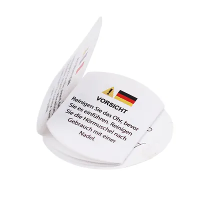
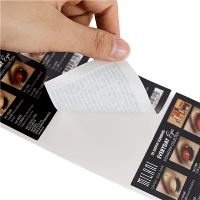
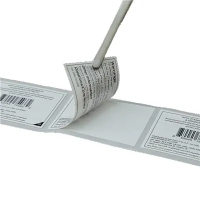
In the daily chemical industry, self-adhesive labels are now widely used. It is understood that currently, over 30% of domestic daily chemical products use self-adhesive labels, and statistics show that the domestic market for self-adhesive labels continues to experience rapid growth and wider application in the daily chemical industry. Label materials are also developing towards higher levels and greater diversification.
Daily chemical products have high added value, resulting in numerous brands and fierce competition. When consumers choose from a wide variety of goods, the product packaging is a key factor in attracting them, and for daily chemical products, the label is paramount. Therefore, the sophistication of the label plays a crucial role. Self-adhesive labels can meet these requirements.
In the pharmaceutical industry, with the promulgation of GMP certification standards by the state, the pharmaceutical industry has higher requirements for the standardization of drug packaging, demanding further improvements in both hygiene and aesthetics. Self-adhesive labels, provided the adhesive materials meet hygiene standards, can effectively meet the needs of pharmaceutical packaging. On the one hand, the pharmaceutical industry has high production requirements and fast assembly line speeds, necessitating automated labeling for many medicine bottles. On the other hand, self-adhesive materials are suitable for various printing methods, offering clear graphics and strong adhesion, enabling them to meet market demands for pharmaceutical packaging. During the booming development of OTC (over-the-counter) drugs, consumers' requirements for drug packaging are undoubtedly increasing; they expect labels to be more than just instructions, but also brand symbols. Simultaneously, pharmaceutical products place great emphasis on anti-counterfeiting measures, and self-adhesive labels offer a variety of materials to choose from, such as fragile paper and anti-counterfeiting labels with lettering.
Electronics Industry: Electronic devices are now ubiquitous in people's lives. The further popularization of home appliances and communication tools has led to unprecedented growth in the electronics industry.