


Do non adhesive labels have a good colorfastness?
Hey there! As a supplier of non adhesive labels, I get asked this question a lot. Colorfastness is a big deal when it comes to labels, whether they're for product packaging, barcoding, or any other use. So, let's dig into whether non adhesive labels have good colorfastness.
First off, what are non adhesive labels? Well, unlike self - adhesive labels like Self Adhesive Bottle Labels, non adhesive labels don't have that sticky backing. They can be attached in other ways, like by heat - sealing, stitching, or simply being inserted into a holder.
Now, let's talk about colorfastness. Colorfastness refers to the ability of a label's color to resist fading, bleeding, or changing when exposed to various factors. These factors can include light, heat, moisture, chemicals, and abrasion.
One of the key things that affect colorfastness in non adhesive labels is the printing method. There are several common printing methods for non adhesive labels, such as screen printing, digital printing, and offset printing.
Screen printing is a popular choice for non adhesive labels. It's great for producing bold, vibrant colors. The ink used in screen printing is typically thick and opaque, which can contribute to good colorfastness. However, the quality of the ink and the curing process play a huge role. If the ink isn't properly cured, it might not hold up well over time. For example, if a label printed with screen - printed ink is exposed to direct sunlight for long periods, the colors could start to fade.
Digital printing, on the other hand, offers high - resolution and detailed prints. It uses different types of inks, such as pigment - based and dye - based inks. Pigment - based inks generally have better colorfastness compared to dye - based inks. Pigment inks are more resistant to fading because the pigments are solid particles that sit on the surface of the label material. Dye - based inks, however, can be more prone to fading, especially when exposed to light and moisture.
Offset printing is another option. It's known for its high - quality and consistent prints. The inks used in offset printing are formulated to have good adhesion and colorfastness. But again, the specific ink and the conditions the label is exposed to will determine how well the colors hold up.
The label material itself also has a significant impact on colorfastness. Non adhesive labels can be made from a variety of materials, such as paper, plastic, and fabric.
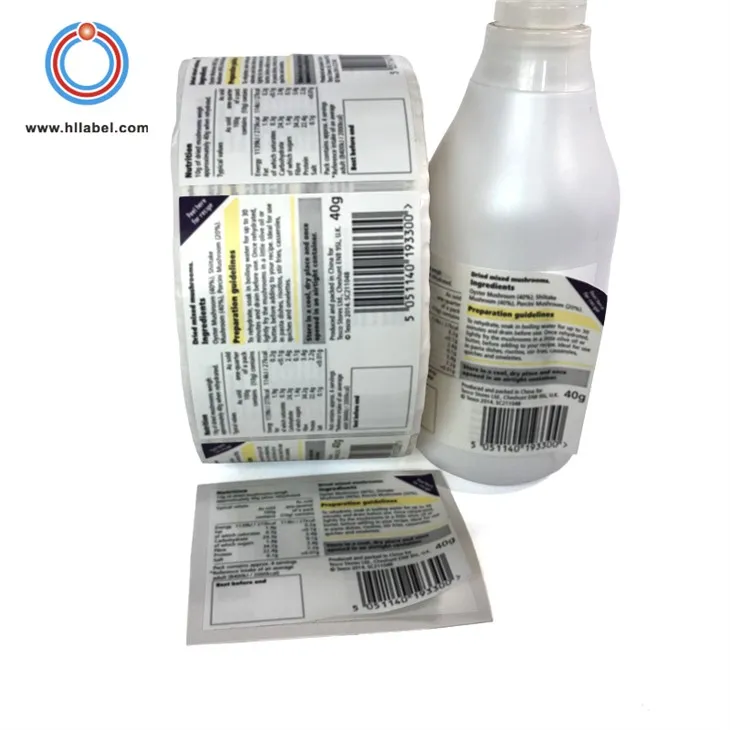
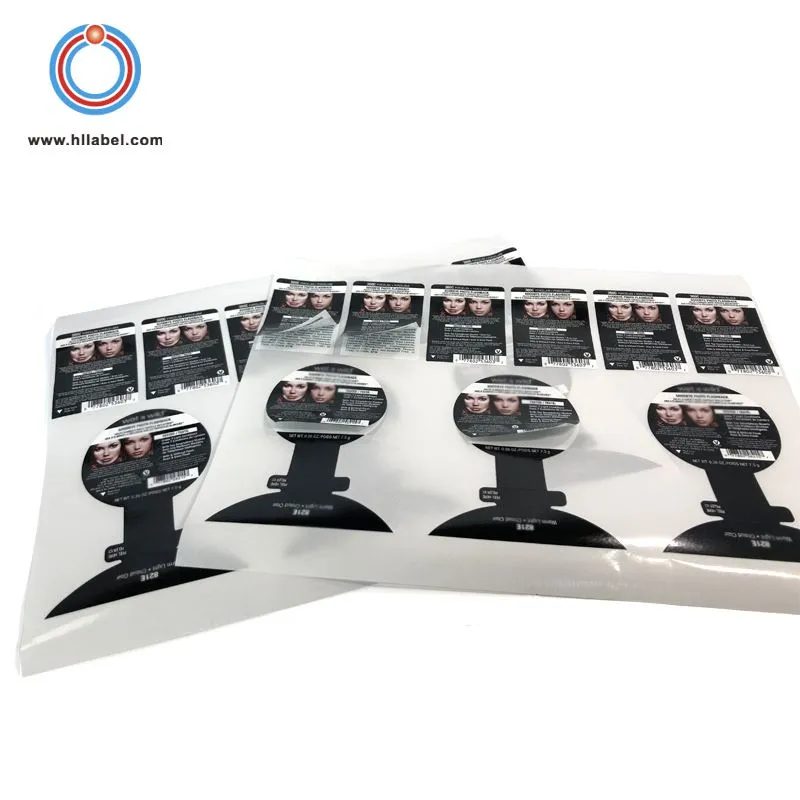
Paper labels are a common choice. They're relatively inexpensive and easy to print on. However, paper is more susceptible to damage from moisture and abrasion, which can affect colorfastness. If a paper label gets wet, the ink might start to run or bleed. And if it's rubbed against a rough surface, the colors could wear off.
Plastic labels, like those made from polyester or polypropylene, tend to have better colorfastness compared to paper labels. They're more resistant to moisture, chemicals, and abrasion. For example, Non Tearable Barcode Labels made from plastic are designed to withstand tough conditions and maintain their color.
Fabric labels are often used in the clothing and textile industry. They can have good colorfastness if the fabric is properly treated and the printing process is done correctly. However, fabric labels can also be affected by washing and dry - cleaning, which might cause the colors to fade over time.
Environmental factors are also crucial when it comes to colorfastness. If a non adhesive label is used outdoors, it will be exposed to sunlight, rain, and extreme temperatures. Sunlight, especially ultraviolet (UV) rays, can cause colors to fade quickly. To combat this, some labels are treated with UV - resistant coatings. Moisture can also be a problem, as it can cause the ink to bleed or the label material to warp.
In industrial settings, non adhesive labels might be exposed to chemicals. For example, in a manufacturing plant, labels could come into contact with solvents, acids, or alkalis. If the label's ink and material aren't resistant to these chemicals, the colors could change or fade.
So, do non adhesive labels have good colorfastness? The answer is, it depends. With the right combination of printing method, label material, and protective treatments, non adhesive labels can have excellent colorfastness. For instance, if you choose a plastic label printed with pigment - based ink and apply a UV - resistant coating, it's likely to maintain its colors for a long time.
At our company, we take colorfastness seriously. We use high - quality inks and materials to ensure that our non adhesive labels have good colorfastness. We also offer custom solutions to meet the specific needs of our customers. Whether you need labels for a product that will be displayed outdoors or in a harsh industrial environment, we can help you find the right solution.
If you're in the market for non adhesive labels, or even Strong Adhesive Sticky Labels for other applications, we'd love to talk to you. We can provide samples and discuss your requirements in detail. Contact us to start a conversation about your label needs and see how we can help you get the best - quality labels with excellent colorfastness.
References
- Smith, J. (2020). "Label Printing Technologies and Their Impact on Colorfastness." Journal of Labeling Science.
- Brown, A. (2019). "Materials for Non Adhesive Labels: A Comparative Study on Colorfastness." Packaging Research Journal.