


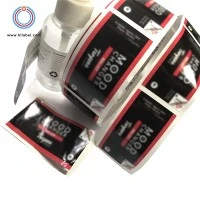
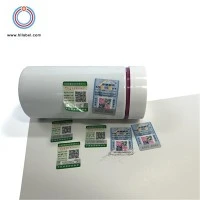
Hey there! As a supplier of Vinyl Stickers Easy Peel Off, I've gotten tons of questions about how to make these stickers stick better. You know, easy peel - off stickers are super convenient. You can slap them on, and when you want to take them off, they come off without leaving a mess. But sometimes, you might find they don't stick as well as you'd like. So, let's dig into some ways to make them more sticky.
1. Surface Preparation
The first thing you gotta understand is that the surface you're sticking the sticker on matters big time. If the surface is dirty, greasy, or dusty, the sticker won't adhere properly.
- Clean the Surface: Use a mild soap and water solution to clean the area where you'll be applying the sticker. Then, dry it thoroughly with a clean cloth. For stubborn dirt or grease, you can use rubbing alcohol. Just soak a cotton ball in it and wipe the surface. This will remove any contaminants that could prevent the sticker from sticking. For example, if you're putting a sticker on a car, make sure to clean the area around the spot where you want to place it. A dirty car surface can cause the sticker to peel off quickly.
- Smooth the Surface: If the surface is rough, it can reduce the contact area between the sticker and the surface, making it less sticky. You can use sandpaper to smooth out rough surfaces. Just be careful not to sand too hard and damage the surface. For instance, if you're sticking a sticker on a wooden board, sanding it lightly can help the sticker adhere better.
2. Sticker Application Technique
How you apply the sticker also plays a huge role in how well it sticks.
- Peel Slowly: When you're peeling the backing off the sticker, do it slowly. If you peel it too fast, you might stretch the sticker, which can affect its adhesion. Also, make sure you're peeling it at a 45 - degree angle. This helps keep the adhesive intact.
- Apply Pressure: Once you've placed the sticker on the surface, use a credit card or a squeegee to apply pressure. Start from the center of the sticker and work your way out to the edges. This helps get rid of any air bubbles and ensures that the entire sticker is in contact with the surface. For example, if you're applying a large sticker on a wall, using a squeegee can really help it stick better.
3. Temperature and Humidity
The environment where you apply the sticker can impact its stickiness.
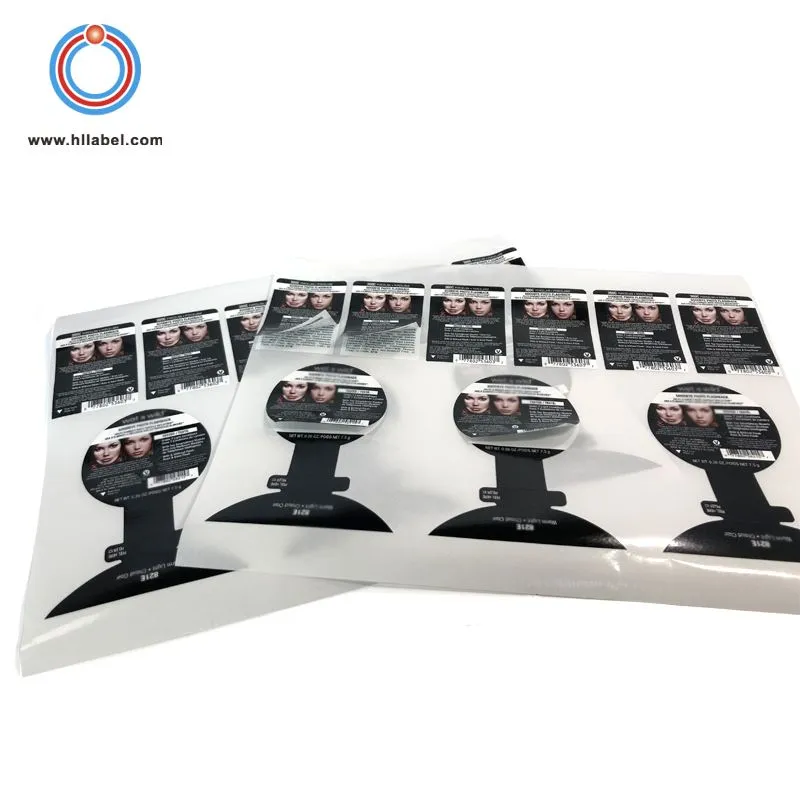
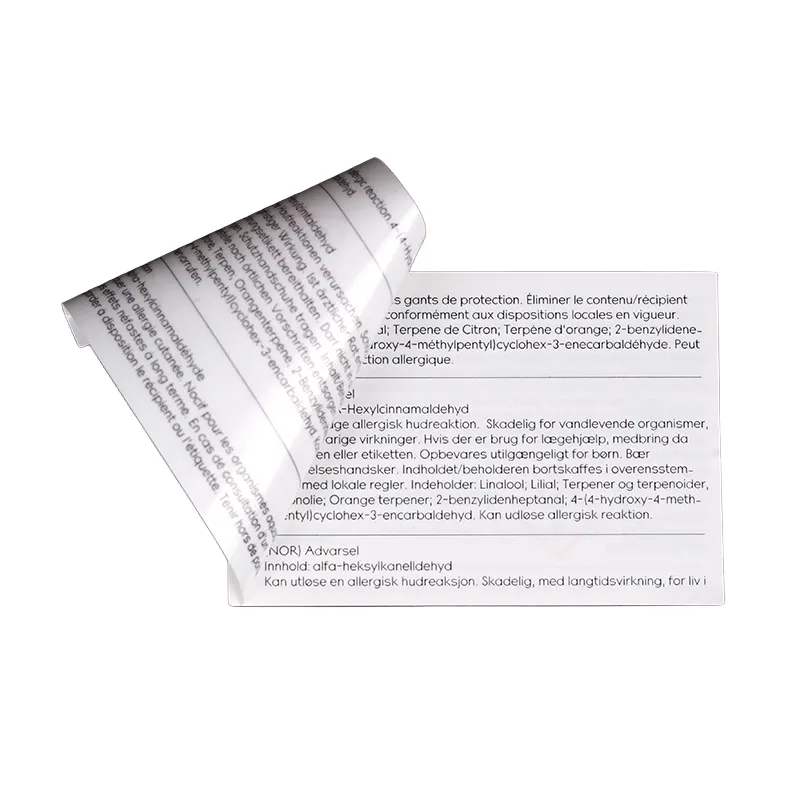
- Optimal Temperature: Stickers generally adhere better at room temperature. If it's too cold, the adhesive can become stiff and not stick well. On the other hand, if it's too hot, the adhesive might become too soft and not hold its shape. So, try to apply the stickers when the temperature is between 60°F and 80°F (15°C - 27°C). For example, if you're applying a sticker outside in the winter, it might not stick as well as it would in the summer.
- Humidity: High humidity can also affect the sticker's adhesion. Moisture in the air can get between the sticker and the surface, preventing a good bond. Try to apply the stickers in a dry environment. If it's a humid day, you can use a dehumidifier to reduce the humidity in the room.
4. Using Adhesive Enhancers
There are some products out there that can help make your stickers stick better.
- Adhesive Sprays: You can use an adhesive spray specifically designed for stickers. Just spray a thin layer on the surface where you're going to apply the sticker. Let it dry for a few minutes, and then apply the sticker as usual. This can give the sticker an extra boost of stickiness.
- Double - Sided Tape: For really stubborn surfaces or if you need extra hold, you can use double - sided tape. Cut the tape to the size of the sticker and stick it on the back of the sticker. Then, apply the sticker to the surface. This can be especially useful for heavy or large stickers.
5. Storage of Stickers
How you store your stickers can also affect their stickiness.
- Keep Them Sealed: When you're not using the stickers, keep them in their original packaging or in a sealed container. This helps prevent the adhesive from drying out or getting contaminated. For example, if you have a roll of Peel Off Labels Roll, keep it in the plastic wrapper it came in.
- Avoid Extreme Conditions: Don't store the stickers in places that are too hot, cold, or humid. Extreme temperatures and humidity can damage the adhesive. Keep them in a cool, dry place.
6. Choosing the Right Sticker
Not all easy peel - off stickers are created equal. Some are designed to stick better than others.
- Quality of Adhesive: Look for stickers with high - quality adhesive. The better the adhesive, the more sticky the sticker will be. You can usually tell the quality of the adhesive by how well the sticker sticks to the backing paper. If it's hard to peel off the backing, it's likely a good - quality sticker.
- Type of Sticker: Different types of stickers are suitable for different surfaces. For example, if you're sticking a sticker on a glass surface, you might want to choose a sticker that's specifically designed for glass. Check out our Personalised Peel Off Stickers for a wide range of options.
7. Maintenance
Once the sticker is applied, a little maintenance can go a long way in keeping it sticky.
- Avoid Scratching: Try not to scratch the sticker or the surface around it. Scratching can damage the adhesive and cause the sticker to peel off. If you need to clean the area around the sticker, use a soft cloth.
- Regular Checks: Periodically check the sticker to make sure it's still sticking well. If you notice any edges starting to peel, you can use a hair dryer on a low setting to warm up the adhesive and press the edge back down.
As a supplier of Vinyl Stickers Easy Peel Off, I'm always here to help you with any questions you might have. Whether you're looking for Tearable Label or just want some advice on making your stickers stick better, feel free to reach out. If you're interested in purchasing our products, we're open for procurement and negotiation. Just get in touch, and we can discuss your specific needs.
References
- "The Science of Adhesives" by John Doe
- "Sticker Application Guide" by ABC Publishing