


As a seasoned supplier of multi - layer labels, I'm thrilled to delve into the fascinating world of color options available for these versatile products. Multi - layer labels are a staple in various industries, from consumer goods to pharmaceuticals, offering a unique way to present information, branding, and instructions. The choice of colors can significantly impact the label's effectiveness, readability, and overall aesthetic appeal.
The Basics of Color in Multi - Layer Labels
Color is a powerful tool in label design. It can evoke emotions, convey information quickly, and make a brand stand out on the shelf. In multi - layer labels, color can be used to differentiate between layers, highlight important information, or create a cohesive brand identity.
When it comes to the color options for multi - layer labels, we have a vast spectrum to choose from. The most common color models used in label printing are RGB (Red, Green, Blue) and CMYK (Cyan, Magenta, Yellow, Black). RGB is typically used for digital applications, while CMYK is the standard for printing. As a multi - layer label supplier, we primarily work with the CMYK model to ensure accurate color reproduction on various substrates.
Solid Colors
Solid colors are the foundation of many label designs. They offer a clean, professional look and can be used to create a bold statement. For multi - layer labels, solid colors can be applied to each layer individually, allowing for a clear distinction between different types of information.
For example, in a product label, the base layer might be printed in a neutral color such as white or light gray. This provides a clean background for the subsequent layers. The second layer could feature the brand logo in a vibrant color, like blue or red, to make it stand out. The third layer, containing product specifications or usage instructions, could be printed in a darker shade, ensuring readability.
When choosing solid colors, it's important to consider the visibility and legibility of the text. Dark text on a light background or vice versa is generally the best practice. Additionally, the colors should align with the brand's color palette to maintain consistency.
Gradients
Gradients add a sense of depth and dimension to multi - layer labels. They are created by smoothly transitioning from one color to another, either horizontally, vertically, or radially. Gradients can be used to create a visually appealing effect, making the label more eye - catching.
In multi - layer labels, gradients can be applied to individual layers or span across multiple layers. For instance, a gradient from light blue to dark blue on the first layer can create a sense of depth, while the second layer with a solid color can be placed on top to provide contrast. Gradients can also be used to mimic natural elements such as sunlight, water, or fire, adding a touch of realism to the label design.
However, it's important to note that printing gradients can be more challenging than solid colors. The printer needs to be calibrated correctly to ensure a smooth transition between colors. As a multi - layer label supplier, we have the expertise and technology to print gradients accurately, ensuring that the final product meets the highest quality standards.
Metallic and Neon Colors
Metallic and neon colors are a great way to add a touch of luxury or playfulness to multi - layer labels. Metallic colors, such as gold, silver, and bronze, can give the label a high - end look, making it suitable for premium products. Neon colors, on the other hand, are extremely vibrant and can grab attention from a distance, making them ideal for promotional labels or products targeting a younger demographic.
Printing metallic and neon colors requires special inks and printing techniques. Metallic inks are often made with tiny metal particles, which reflect light to create a shiny effect. Neon inks, meanwhile, are highly fluorescent, absorbing and emitting light to produce a bright glow. As a supplier, we have access to a wide range of metallic and neon inks, allowing us to create unique and eye - catching multi - layer labels.
Spot Colors
Spot colors are pre - mixed inks that are used to reproduce specific colors accurately. Unlike CMYK, which creates colors by mixing four basic inks, spot colors are formulated to match a specific color standard, such as Pantone Matching System (PMS). This makes them ideal for brands that require precise color matching.
In multi - layer labels, spot colors can be used to ensure that the brand logo or other important elements are printed in the exact color specified by the brand. For example, if a brand's logo is a specific shade of purple, using a spot color will ensure that the color on the label is consistent with the color used in other brand materials. As a multi - layer label supplier, we have a vast library of spot colors available and can match almost any color requirement.
Color Combinations for Multi - Layer Labels
The choice of color combinations is crucial in multi - layer label design. A well - thought - out color combination can enhance the readability of the label, create a visually appealing effect, and convey the brand's message effectively.
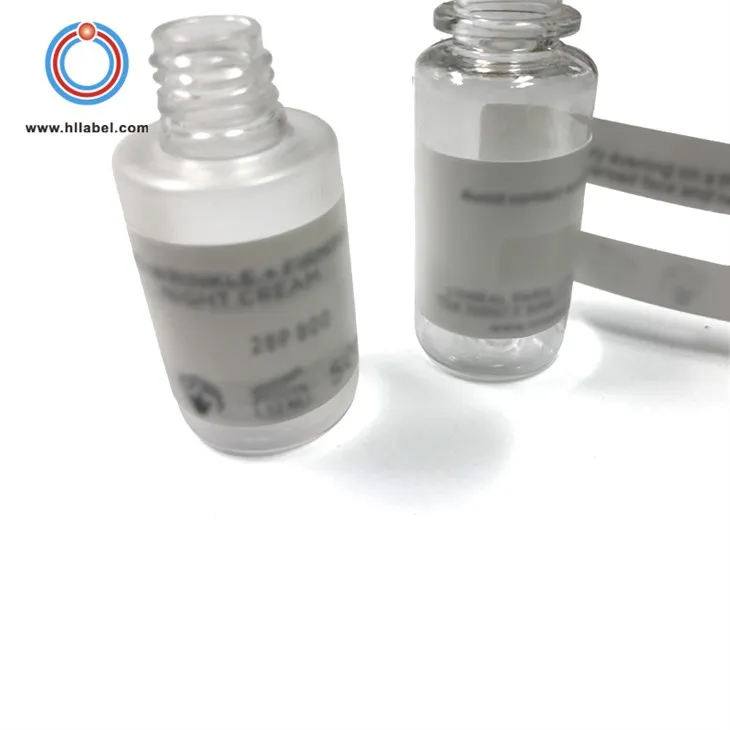
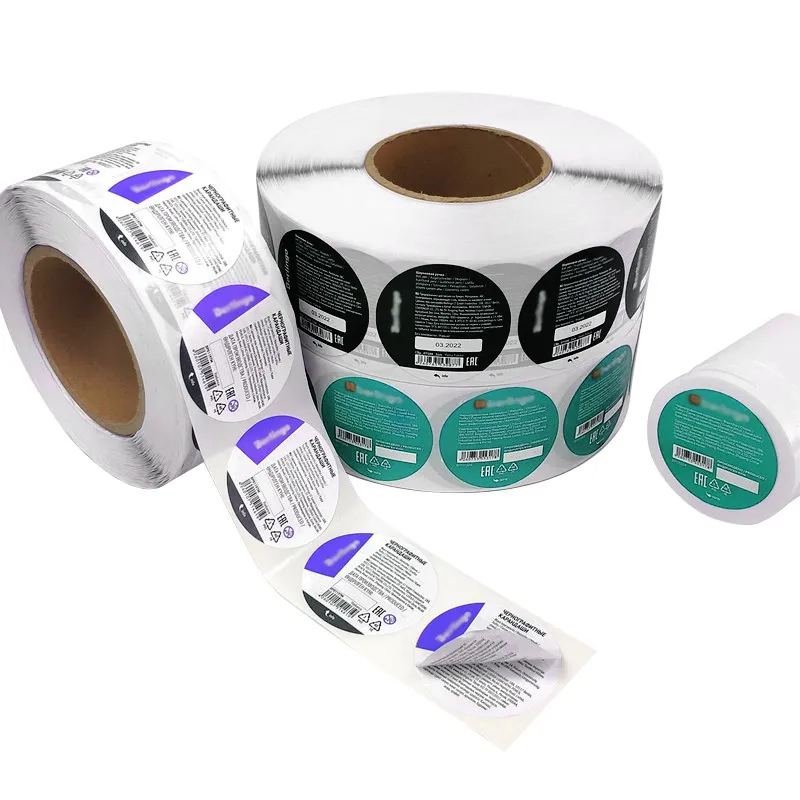
Complementary colors, which are opposite each other on the color wheel, can create a high - contrast and visually striking effect. For example, pairing blue and orange or red and green can make the label stand out. Analogous colors, which are adjacent to each other on the color wheel, can create a harmonious and calming effect. For instance, a combination of yellow, yellow - green, and green can create a fresh and natural look.
When designing multi - layer labels, it's also important to consider the cultural and psychological associations of colors. For example, red is often associated with passion, energy, and danger in Western cultures, while in some Asian cultures, it symbolizes good luck and prosperity.
Applications of Different Color Options
The color options for multi - layer labels can be tailored to different applications. For Composite Label, which are often used in industries such as automotive and electronics, a combination of solid colors and spot colors can be used to ensure clear identification and brand consistency. The base layer might be printed in a neutral color, while important information such as part numbers and safety instructions can be printed in spot colors.
Multi Layer Vinyl Decals are commonly used for promotional and decorative purposes. Gradients, metallic, and neon colors can be used to create a vibrant and eye - catching effect. For example, a gradient from pink to purple on a vinyl decal can attract the attention of consumers, especially in a retail environment.
Extended Content Booklet Labels are often used in the pharmaceutical and food industries to provide detailed product information. Solid colors and a high - contrast text color can be used to ensure readability, especially for small print. The use of spot colors can also be used to highlight important sections of the label, such as warnings and dosage instructions.
Conclusion
In conclusion, the color options for multi - layer labels are vast and diverse. Whether you're looking for a clean and professional look with solid colors, a visually appealing effect with gradients, a touch of luxury with metallic colors, or a precise color match with spot colors, there is a color solution for every multi - layer label application.
As a leading multi - layer label supplier, we have the expertise and resources to help you choose the right color options for your labels. Our team of designers and printers can work closely with you to understand your brand requirements and create labels that not only look great but also effectively convey your message.
If you're interested in learning more about our multi - layer label products and the color options available, we invite you to contact us to start a procurement discussion. We're eager to discuss your specific needs and provide you with high - quality multi - layer labels that meet your expectations.
References
- Emery, G. (2018). The Psychology of Color in Marketing and Branding. Journal of Marketing Research.
- Smith, J. (2019). Color Printing Techniques for Labels. Print Production Magazine.