


Hey there! As a supplier of Non Tearable Barcode Labels, I often get asked about the barcode error correction rate of these labels. It's a super important topic, especially for businesses that rely on barcodes for inventory management, tracking, and all sorts of other things. So, let's dive right in and explore what the barcode error correction rate of non tearable barcode labels is all about.
First off, let's talk about what barcode error correction is. Barcodes are essentially a way to encode information in a machine-readable format. When a barcode scanner reads a barcode, it's looking for specific patterns of black and white bars. But sometimes, things can go wrong. The barcode might get smudged, scratched, or damaged in some way. That's where error correction comes in.
Error correction is a technique that allows barcodes to still be read accurately even if they're a bit damaged. It works by adding extra data to the barcode. This extra data acts like a safety net. If part of the barcode is unreadable, the scanner can use the error correction data to figure out what the missing information should be.
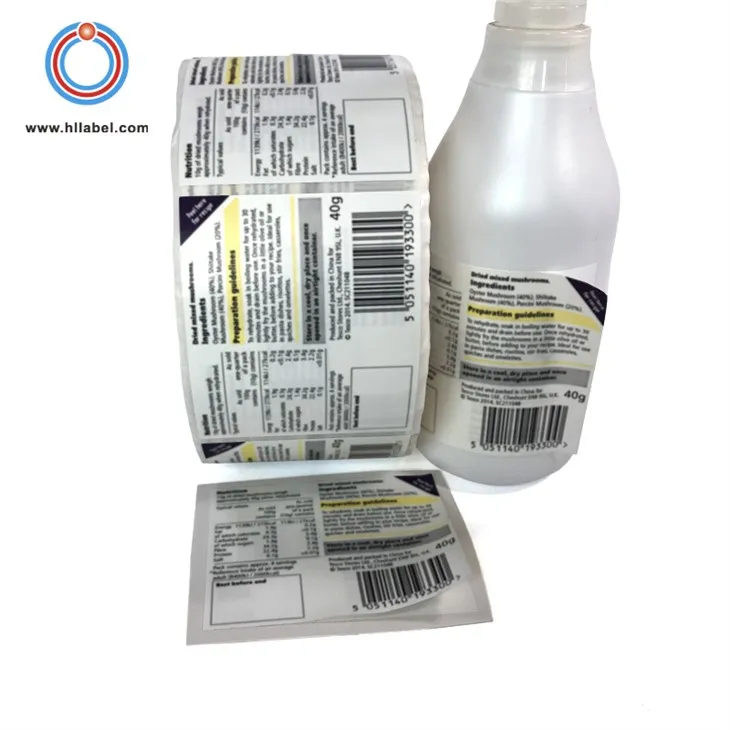

Now, the error correction rate of a barcode is expressed as a percentage. For example, a barcode with a 20% error correction rate can tolerate up to 20% of its data being damaged and still be read correctly. Different types of barcodes have different error correction rates. Some common barcodes, like the QR code, can have error correction rates of up to 30% or even higher.
So, what about non tearable barcode labels? Well, one of the big advantages of these labels is that they're designed to be tough and durable. They're less likely to get torn, scratched, or damaged compared to regular barcode labels. This means that the barcode on a non tearable label is more likely to stay in good condition, which in turn reduces the chances of errors.
But even with non tearable labels, things can still happen. For example, the label might get exposed to harsh chemicals, extreme temperatures, or other environmental factors that could affect the barcode. That's why it's important to choose a barcode with a high error correction rate.
When we're making non tearable barcode labels, we usually choose barcodes that have a decent error correction rate. For most applications, a barcode with an error correction rate of around 15 - 20% is sufficient. This allows for a bit of damage or wear and tear without affecting the readability of the barcode.
However, for some high - security or critical applications, we might use barcodes with a higher error correction rate. For example, in the pharmaceutical industry, where accurate tracking of drugs is crucial, we might use barcodes with an error correction rate of 25% or more.
Another factor to consider is the type of barcode. There are different types of barcodes, such as linear barcodes and 2D barcodes. Linear barcodes are the ones you typically see on products at the grocery store. They're simple and easy to read, but they have a lower error correction rate compared to 2D barcodes.
2D barcodes, like QR codes, are more complex and can store a lot more information. They also have a higher error correction rate. So, if you need a barcode that can handle a lot of damage or you need to store a large amount of data, a 2D barcode might be a better choice.
Now, let's talk about how we test the error correction rate of our non tearable barcode labels. We have a set of strict quality control procedures in place. We simulate different types of damage to the barcodes, such as scratching, smudging, and folding. Then, we use barcode scanners to try and read the damaged barcodes.
We keep track of how many times the barcode can be read correctly even after being damaged. Based on these tests, we can determine the actual error correction rate of our labels. This way, we can ensure that our customers are getting high - quality non tearable barcode labels that can perform well in real - world situations.
If you're in the market for non tearable barcode labels, you might also be interested in some of our other products. We offer Self Adhesive Bottle Labels, which are great for labeling bottles of all shapes and sizes. These labels are self - adhesive, so they're easy to apply and stay in place.
We also have Non Adhesive Labels. These labels are a good option if you need a more temporary labeling solution or if you want to be able to re - use the labels.
And for those who prefer a round shape, we offer Round Self Adhesive Labels. These labels are perfect for adding a unique touch to your products.
In conclusion, the barcode error correction rate of non tearable barcode labels is an important factor to consider. It can help ensure that your barcodes are readable even in less - than - ideal conditions. At our company, we take great care to choose the right barcodes and test our labels to make sure they have a high error correction rate.
If you're interested in learning more about our non tearable barcode labels or any of our other products, we'd love to hear from you. Whether you're a small business looking to improve your inventory management or a large corporation in need of high - quality barcodes, we can provide you with the solutions you need. Just reach out to us and we'll be happy to have a chat about your requirements and how we can help.
References:
- Barcode Technology Handbook, various editions
- Industry reports on barcode usage and error correction