


As a supplier of Peel Off Labels Stickers, I've seen firsthand the importance of making these labels more UV - resistant. UV rays can be a real pain in the neck for peel - off labels. They can cause colors to fade, adhesives to weaken, and the overall quality of the labels to go downhill. So, let's dive into how we can make these labels more resistant to those pesky UV rays.
Choose the Right Materials
The first step in making peel - off labels more UV - resistant is to pick the right materials. There are a few options out there, and each has its own pros and cons.
Vinyl
Vinyl is a popular choice for labels because it's durable and can withstand a lot of wear and tear. It also has good UV resistance. There are different types of vinyl, like cast vinyl and calendared vinyl. Cast vinyl is generally more expensive but offers better long - term UV protection. Calendared vinyl is more budget - friendly but may not last as long in direct sunlight. If you're looking for a label that will be outdoors for a long time, cast vinyl might be the way to go. You can find a great selection of Stickers Easy Peel Off made from high - quality vinyl.
Polyester
Polyester is another material that has excellent UV resistance. It's also very strong and can resist chemicals and abrasion. Polyester labels are often used in industrial applications where durability is key. They can handle harsh environments and still look good. If you need a label that can stand up to the elements, polyester is a solid choice.
Paper with UV - Coating
For more budget - conscious projects, paper labels with a UV - coating can be a good option. The coating helps protect the paper from UV damage. However, it's important to note that paper labels are not as durable as vinyl or polyester. They may not last as long outdoors, but they can work well for short - term or indoor applications. You can explore Peel Off Labels Roll made from paper with UV - coating.
Use UV - Resistant Inks
The ink you use on your labels is just as important as the material. Regular inks can fade quickly when exposed to UV rays. That's why it's crucial to use UV - resistant inks.
UV - Curable Inks
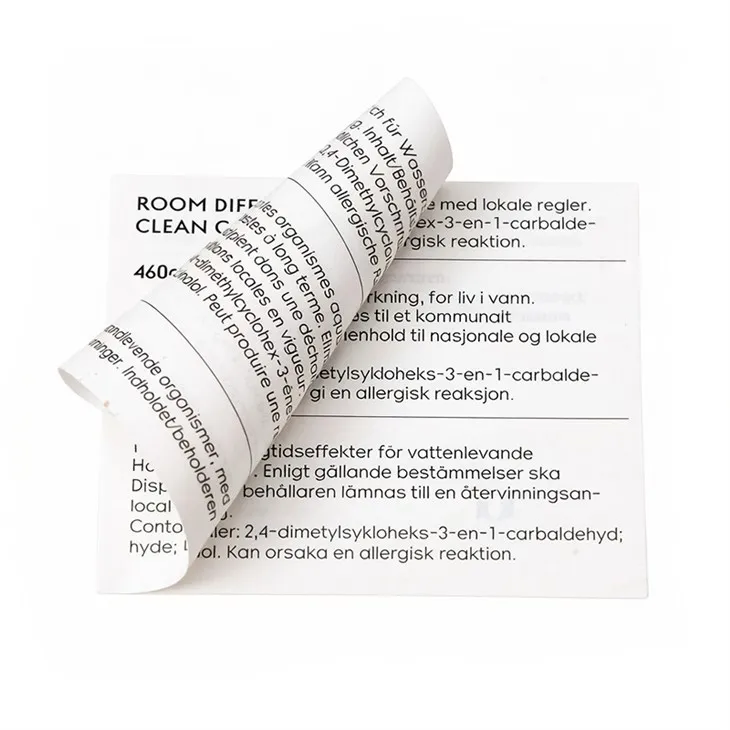
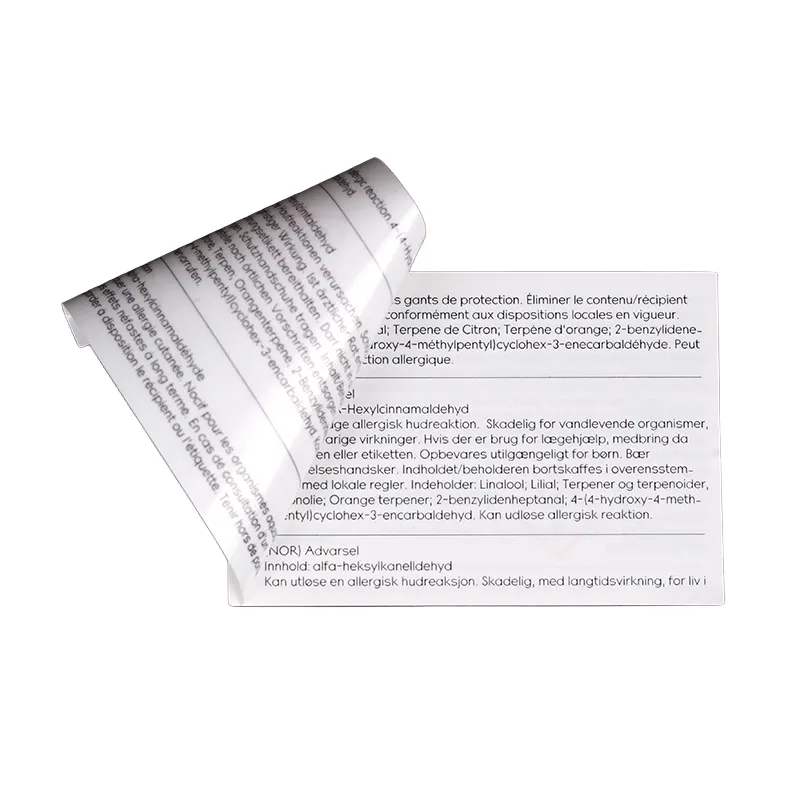
UV - curable inks are a great choice. These inks dry quickly when exposed to UV light, and they form a hard, durable layer on the label. They're resistant to fading, scratching, and chemicals. When you use UV - curable inks, you can be sure that your labels will look good for a long time. Many printing companies offer Peel Off Labels Printing services using UV - curable inks.
Pigment - Based Inks
Pigment - based inks are also known for their good UV resistance. They contain pigments that are more stable than dyes, which means they're less likely to fade. Pigment - based inks can provide vibrant colors that last.
Apply a UV - Protective Coating
Adding a UV - protective coating to your labels can significantly increase their UV resistance.
Clear Coating
A clear coating acts as a shield against UV rays. It can be applied over the printed label to protect the inks and the material. There are different types of clear coatings, such as acrylic coatings and polyurethane coatings. Acrylic coatings are more budget - friendly and offer good UV protection. Polyurethane coatings are more expensive but provide better long - term protection.
Laminating
Laminating is another way to add a UV - protective layer. You can use a clear laminate film to cover the label. Laminating not only protects the label from UV rays but also makes it more resistant to scratches and moisture. There are different thicknesses of laminate films available, so you can choose the one that best suits your needs.
Storage and Handling
Proper storage and handling of your peel - off labels can also affect their UV resistance.
Storage
When storing your labels, keep them in a cool, dry place away from direct sunlight. Exposure to sunlight during storage can start to degrade the labels even before they're used. Make sure to keep the labels in their original packaging or in a sealed container to protect them from dust and moisture.
Handling
When handling the labels, be careful not to damage the protective layers. For example, if you're applying a clear coating or laminate, avoid scratching it. Also, make sure to apply the labels correctly. If the label is not applied smoothly, it can create air bubbles or wrinkles, which can reduce its UV resistance.
Testing and Quality Control
It's important to test your labels for UV resistance before mass - producing them. You can use a UV chamber to simulate long - term exposure to UV rays. This will help you determine if your labels are meeting the required standards.
Accelerated Testing
Accelerated testing in a UV chamber can give you an idea of how your labels will perform over time. You can expose the labels to high levels of UV light for a short period and then evaluate the results. This can save you time and money in the long run by identifying any potential issues early on.
Quality Control Checks
Regular quality control checks are also essential. Inspect the labels for any signs of fading, peeling, or other damage. Make sure the colors are consistent and the adhesive is still strong. By doing these checks, you can ensure that your customers receive high - quality, UV - resistant peel - off labels.
In conclusion, making peel - off labels more UV - resistant involves a combination of choosing the right materials, using UV - resistant inks, applying a protective coating, and proper storage and handling. By following these steps, you can create labels that look great and last a long time, even when exposed to the sun.
If you're interested in purchasing high - quality, UV - resistant peel - off labels, we'd love to have a chat with you. Whether you need Stickers Easy Peel Off, Peel Off Labels Roll, or Peel Off Labels Printing, we can provide you with the best solutions. Contact us to start the procurement discussion and find the perfect labels for your needs.
References
- "The Handbook of Printing Ink Manufacture" by R.H. Leach
- "Packaging Technology" by P.A. Paine
- "UV Curing: Science and Technology" by S.P. Pappas