


Do easy peel off vinyl stickers work on plastic? This is a question that many people, especially those in the business of labeling products or decorating items, often ask. As a supplier of Vinyl Stickers Easy Peel Off, I've had the opportunity to test these stickers on various types of plastic surfaces and gather a wealth of information. In this blog, I'll share my insights on how well these stickers perform on plastic, the factors that influence their effectiveness, and some practical tips for using them.
How Easy Peel Off Vinyl Stickers Work on Plastic
Easy peel off vinyl stickers are designed to adhere to surfaces while still being removable without leaving a residue. When it comes to plastic, the performance can vary depending on the type of plastic. There are several common types of plastics, such as polyethylene (PE), polypropylene (PP), polyvinyl chloride (PVC), and acrylonitrile butadiene styrene (ABS).
- Polyethylene (PE) and Polypropylene (PP): These plastics are known for their smooth and non - porous surfaces. Easy peel off vinyl stickers may have a slightly more challenging time adhering to them initially because the surface doesn't provide as many anchor points for the adhesive. However, with proper application, they can still stick well. The key is to ensure that the surface is clean and dry before applying the sticker. Once applied, the stickers can usually stay in place for a reasonable amount of time and can be peeled off easily without damaging the plastic.
- Polyvinyl Chloride (PVC): PVC is a more porous plastic compared to PE and PP. This porosity allows the adhesive on the vinyl sticker to penetrate slightly, resulting in a stronger bond. Easy peel off vinyl stickers tend to work very well on PVC surfaces. They adhere firmly and can be removed cleanly when needed. This makes PVC a great choice for applications where you want a long - lasting yet removable sticker, such as on PVC pipes or PVC - made signs.
- Acrylonitrile Butadiene Styrene (ABS): ABS is a popular plastic used in a wide range of products, from toys to automotive parts. The surface of ABS is relatively smooth but has enough texture to allow the sticker's adhesive to grip. Easy peel off vinyl stickers generally perform well on ABS. They can be applied smoothly and removed without leaving behind any sticky residue, making them suitable for labeling ABS products.
Factors Influencing the Performance
Several factors can influence how well easy peel off vinyl stickers work on plastic:
- Surface Cleanliness: A dirty or greasy plastic surface can prevent the sticker's adhesive from bonding properly. Before applying the sticker, it's essential to clean the plastic surface with a mild detergent and water, then dry it thoroughly. Any dirt, dust, or oil on the surface can act as a barrier between the sticker and the plastic, reducing the adhesion strength.
- Temperature: Temperature plays a significant role in the adhesion of vinyl stickers. In cold temperatures, the adhesive can become less flexible and may not bond as well. On the other hand, in very hot temperatures, the adhesive may become too soft, causing the sticker to lose its shape or even fall off. It's best to apply the stickers at a moderate temperature, usually between 60°F and 80°F (15°C - 27°C).
- Sticker Quality: The quality of the vinyl sticker itself is crucial. High - quality easy peel off vinyl stickers are made with better adhesives and vinyl materials. These stickers are more likely to adhere well to plastic surfaces and can be removed cleanly. Cheaper stickers may have a lower - quality adhesive that can leave a residue when peeled off or may not stick properly in the first place.
Practical Tips for Using Easy Peel Off Vinyl Stickers on Plastic
- Prepare the Surface: As mentioned earlier, clean the plastic surface thoroughly. You can also use a rubbing alcohol solution to remove any stubborn grease or fingerprints. Make sure the surface is completely dry before applying the sticker.
- Apply the Sticker Slowly: When applying the sticker, start from one end and slowly smooth it out towards the other end. Use a credit card or a similar flat object to press the sticker firmly onto the plastic surface, removing any air bubbles as you go. This will ensure a good bond between the sticker and the plastic.
- Peel Off Carefully: When it's time to remove the sticker, do it slowly and at a low angle. This will help prevent the sticker from tearing and ensure that no adhesive residue is left on the plastic. If you encounter any resistance, you can use a heat gun on a low setting to warm up the adhesive slightly, making it easier to peel off.
Our Product Range
As a supplier of Vinyl Stickers Easy Peel Off, we offer a wide range of products to meet different needs. Our Peel Off Name Stickers are perfect for labeling personal items, such as water bottles or notebooks. They are easy to apply and can be removed without leaving a mark.
Our Stickers Easy Peel Off come in various shapes, sizes, and colors, making them suitable for both decorative and functional purposes. Whether you want to add a touch of color to your plastic phone case or label your plastic storage containers, these stickers are a great choice.
We also provide Label Peel Off products that are ideal for commercial applications. These labels can be used on plastic packaging to provide product information or branding. They adhere well to plastic surfaces and can be removed easily when needed.
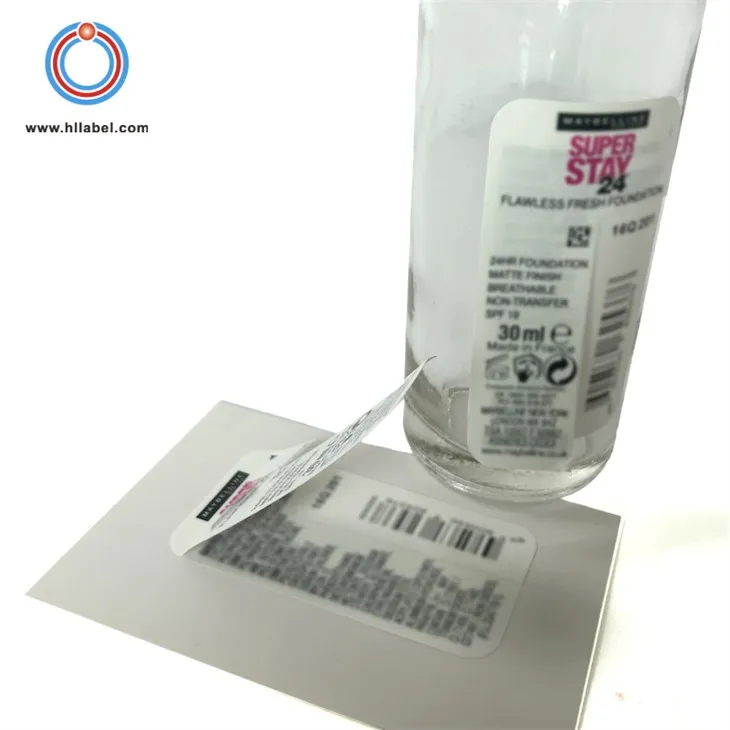
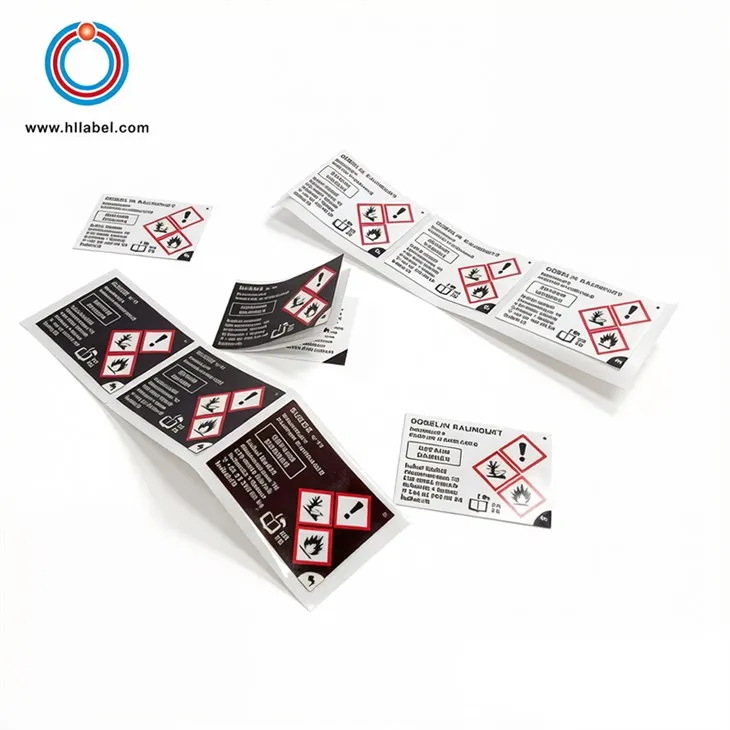
Our Peel Off Labels Stickers are designed for high - volume applications. They are available in rolls, making them convenient for large - scale labeling projects. And our Peel Off Labels Roll offers a continuous supply of stickers, ensuring that you never run out.
Contact Us for Purchase and Negotiation
If you're interested in our easy peel off vinyl stickers for your plastic - related projects, we invite you to contact us for purchase and negotiation. We are committed to providing high - quality products at competitive prices. Our team of experts can help you choose the right stickers for your specific needs and provide you with detailed information about our products.
References
- "Adhesive Technology Handbook" by John W. Cramer
- "Plastics Science and Engineering" by Donald R. Paul and Christopher B. Bucknall