


As a supplier of Peel Off Name Tags, I often encounter inquiries from customers about the water resistance of our products. This is a crucial question, especially for those who need name tags in environments where they might come into contact with water. In this blog, I will delve into the topic of whether peel off name tags are resistant to water immersion, based on scientific principles and our practical experience.
Understanding the Composition of Peel Off Name Tags
Before we analyze the water resistance of peel off name tags, it's essential to understand their composition. Our peel off name tags typically consist of three main layers: the face material, the adhesive layer, and the liner.
The face material can be made from various substances, such as paper, plastic, or fabric. Each material has its own properties in terms of water resistance. Paper is generally more absorbent and less water - resistant compared to plastic or fabric. Plastic materials, like polyester or polypropylene, have better water - repellent characteristics due to their non - porous nature. Fabric, on the other hand, can vary in water resistance depending on its treatment and type.
The adhesive layer is responsible for sticking the name tag to the surface. There are different types of adhesives, including permanent and removable adhesives. Permanent adhesives form a strong bond with the surface, while removable adhesives allow for easy removal without leaving residue. The water resistance of the adhesive is also a key factor in determining the overall water resistance of the name tag.
The liner protects the adhesive layer before use. It is usually made of a release paper, which is designed to be easily peeled off.
Scientific Analysis of Water Resistance
To determine whether peel off name tags are resistant to water immersion, we need to consider the interaction between water and the materials of the name tag.
Water Absorption
When a name tag is immersed in water, the face material may absorb water. As mentioned earlier, paper is highly absorbent. If a paper - based name tag is immersed in water, it will quickly absorb water, causing the paper to become soggy and the ink to bleed. This can lead to the deterioration of the name tag's appearance and readability.
Plastic materials, such as polyester, have low water absorption rates. They are hydrophobic, meaning they repel water. When immersed in water, the water forms droplets on the surface of the plastic, rather than being absorbed. This allows the name tag to maintain its integrity and readability even after water immersion.
Fabric - based name tags can be treated to be water - resistant. For example, a fabric can be coated with a waterproofing agent, which creates a barrier between the fabric and water. However, if the fabric is not properly treated, it may absorb water, leading to similar problems as paper - based name tags.
Adhesive Performance
The adhesive layer also plays a vital role in water resistance. When a name tag is immersed in water, the adhesive may lose its bonding strength. Some adhesives are designed to be water - resistant, while others are not.
Water - resistant adhesives are formulated to maintain their bonding strength even in wet conditions. They are often used in applications where the name tag may be exposed to water, such as in the food industry or outdoor environments. Non - water - resistant adhesives, on the other hand, may break down when in contact with water, causing the name tag to peel off.
Our Experience with Water - Immersed Name Tags
In our experience as a Peel Off Name Tags supplier, we have conducted numerous tests to evaluate the water resistance of our products. We have found that our plastic - based name tags, especially those made of polyester, perform well in water - immersion tests.
We submerged polyester name tags in water for different periods, ranging from a few hours to several days. After the immersion, we observed that the name tags maintained their shape, color, and readability. The adhesive also remained intact, and the name tags did not peel off from the test surfaces.
In contrast, our paper - based name tags showed significant deterioration after water immersion. The paper became soft and the ink smeared, making the name tag unreadable. The adhesive also lost its bonding strength, causing the name tag to fall off.
Applications and Considerations
Based on the above analysis, it is clear that the water resistance of peel off name tags depends on the materials used. For applications where the name tags may be exposed to water, such as in swimming pools, kitchens, or outdoor environments, plastic - based name tags are a better choice.
We offer a wide range of peel off name tags, including Peel Off Labels Stickers, Peel Off Name Stickers, and Easy Peel Off Price Stickers. These products are available in different materials and sizes to meet the diverse needs of our customers.
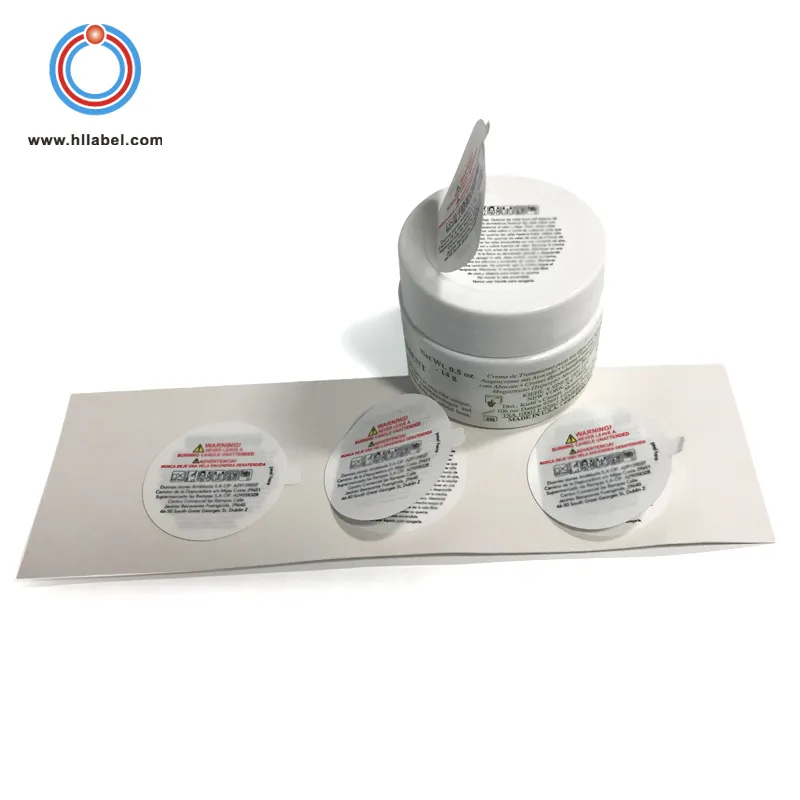
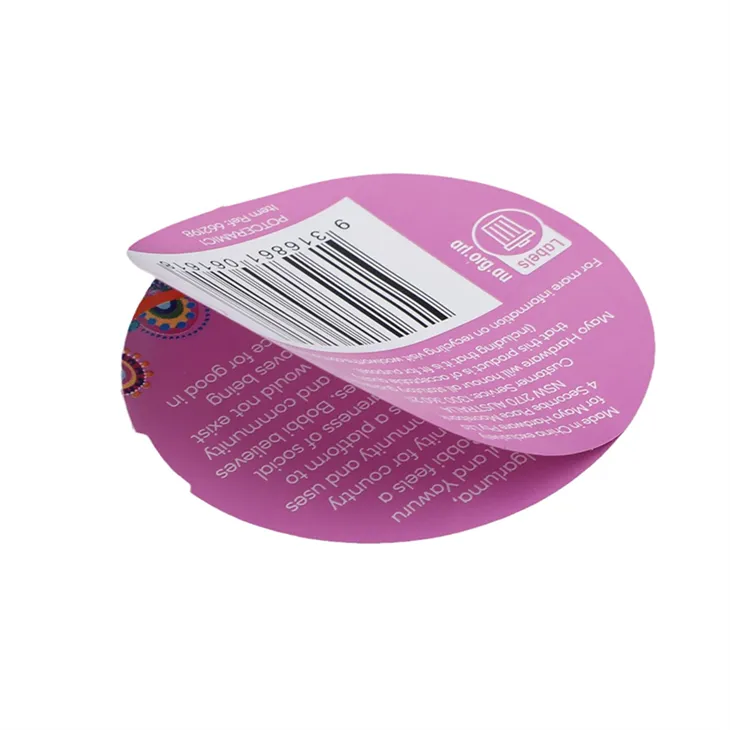
When choosing peel off name tags for water - prone environments, it is important to consider the following factors:
- Material: Opt for plastic materials, such as polyester, for better water resistance.
- Adhesive: Choose a water - resistant adhesive to ensure the name tag stays in place.
- Application: Consider the specific application and the level of water exposure. For example, if the name tag will be submerged in water for long periods, a more durable and water - resistant product is required.
Conclusion
In conclusion, not all peel off name tags are resistant to water immersion. The water resistance depends on the materials used, especially the face material and the adhesive. Plastic - based name tags, particularly those made of polyester, are generally more water - resistant than paper - based name tags.
As a supplier of Peel Off Name Tags, we are committed to providing high - quality products that meet the needs of our customers. If you are interested in purchasing peel off name tags for applications where water exposure is a concern, please feel free to contact us for more information and to discuss your specific requirements. We look forward to working with you to find the best solution for your needs.
References
- ASTM International. (20xx). Standard test methods for evaluating water resistance of adhesives.
- Smith, J. (20xx). The science of adhesive materials. New York: Academic Press.